Category: Uncategorized

  • What Is a Window Pane? Everything You Need to Know

    What Is a Window Pane? Everything You Need to Know

    Ever looked out of a window, enjoying the view, and wondered about the very thing separating you from the outside? Yes, I’m talking about window panes! But what is a window pane? Let’s embark on a journey to uncover everything about window panes, their meanings, and even some handy DIY replacement tips.

    Understanding Window Panes

    First off, what is a window pane? In simplest terms, imagine a sandwich. The bread slices are the window frames, and the filling, well, that’s the window pane – the clear or tinted piece of glass inside the frame. It allows you to look outside while protecting you from external elements.

    Differentiating Between Window and Window Pane

    Now, you might wonder, is a window a pane or panel? Think of a window as an entire book. The pane? It’s just one page. The window encompasses the entire structure – frames, sills, and the glass, while the pane is solely the glass part.

    The Intricacies of Window Panels

    What is a window panel? Often, the terms ‘pane’ and ‘panel’ are used interchangeably. However, while a pane is the glass, a panel refers to the entire section of a window, which can include multiple panes. Like a mosaic made of different colored tiles, each tile is a pane, but the entire design is the panel.

    Single vs. Double Pane Windows

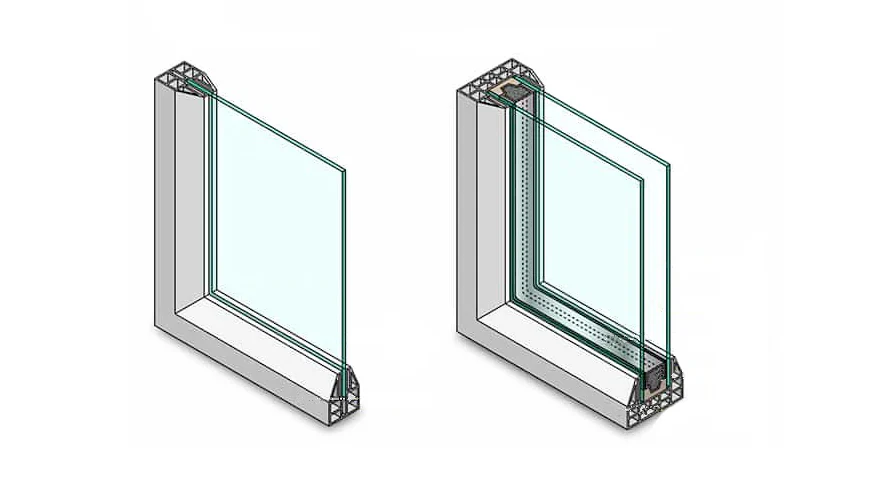
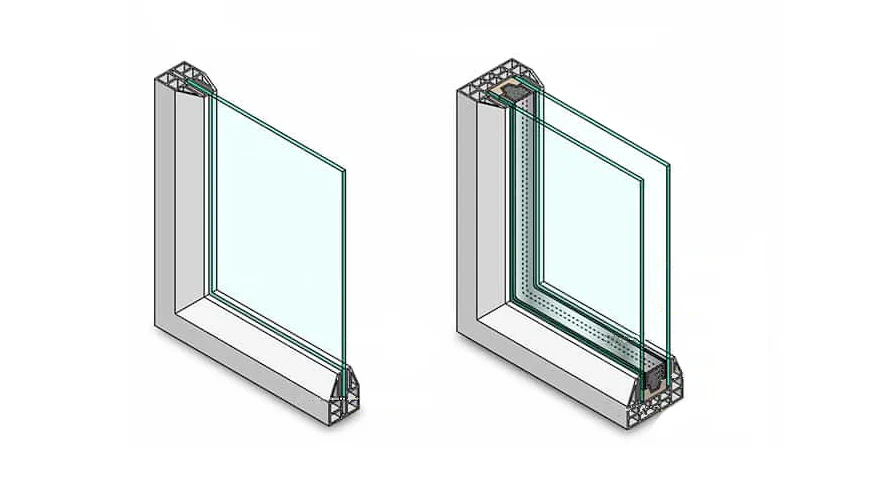
    There’s more than one type of window pane. The most common are single and double pane windows. The former has one layer of glass, while the latter has two with a gap in between, often filled with insulating gas. Imagine wearing a single layer of clothing in winter versus a double-layered jacket. Which keeps you warmer?
    single-or-double


    That’s right, the double-layered jacket, similar to how a double pane window offers better insulation.

    Read Our Related blog – Single Pane vs. Double Pane – Which Reigns Supreme

    Unraveling the Varieties of Window Panes

    Are you aware there’s more to window panes than just single or double-pane options?

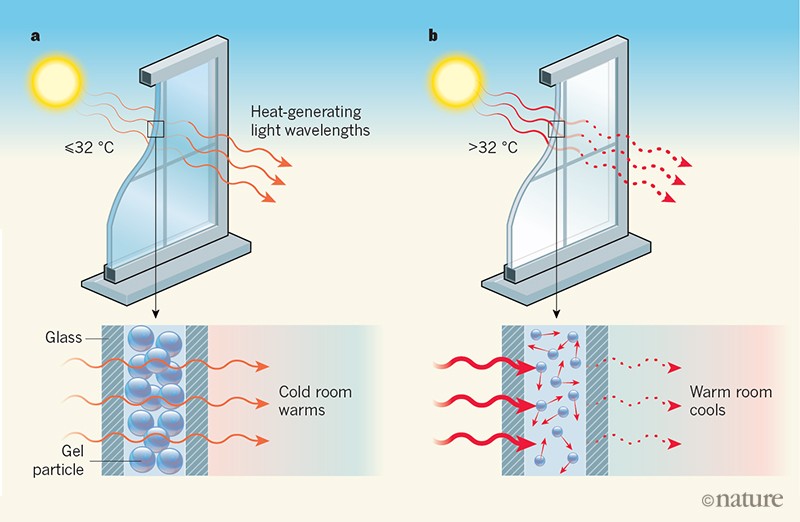
    For instance, you can opt for heat-absorbing tinted panes to minimize sunlight glare and reduce indoor heating. Additionally, energy-efficient window panes offer low-emissivity coatings, ensuring heat remains indoors, thus cutting down heating expenses. Panes with reflective and selective coatings balance sunlight filtering, ensuring your room gets light without excessive heat.

    Windows aren’t just aesthetic components of your home. They play a pivotal role in maintaining structural integrity and energy efficiency. With this newfound knowledge on windows, make an informed choice ensuring your home’s longevity and comfort.

    Recognizing When It’s Time to Update Your Windows

    Living in a house that’s stood for many years? Your windows might be hinting at a replacement. However, the age of your home isn’t the only indicator. Windows can degrade over time in any property.

    It’s natural to avoid replacing problematic windows to save some cash. Yet, postponing this might prove costlier in the future. Here’s how to discern if it’s time for a window change.
     

    Is Your Home Retaining its Temperature?

    A spike in your energy bill might give you a hint, but an up-close inspection of your windows could provide clarity. During winter, do you feel chilly standing near the window? If they feel freezing, you’re likely losing warmth.

    Tips: place a burning candle near the window edges. If the flame dances, it means your windows might be letting cold breezes in.

    Challenges in Using Your Windows

    Windows that resist opening or closing are signaling replacement. This isn’t just about convenience; it’s about safety. Whether it’s clearing out harmful fumes or escaping during emergencies, windows should operate effortlessly.

    Windows that need props to stay open, have layers of paint sealing them, or swollen wooden frames need urgent attention.

    Water Intrusion Through Your Windows

    Minor moisture penetration can lead to bigger issues like mold formation, wood rot, and frame distortion. It might stem from faulty installation or sealant issues, or just the wear and tear over time.

    Act promptly on leaky windows. Also, be vigilant about condensation accumulating between the panes.

    Visible Damages on Your Windows

    Though it might seem evident, some homeowners often overlook minor cracks, thinking they’re negligible. But such windows pose a risk. They can easily break or hike up your energy bills.

    Promptly address any visible impairments to your windows, as it’s often more cost-effective to change them.

    How to Remove a Window Pane

    For those wondering how to remove window pane:

    Carefully remove any old putty using your putty knife.
    Take out the glazier’s points.
    Gently push out the glass.

    Fitting Window Glass in an Aluminum Frame

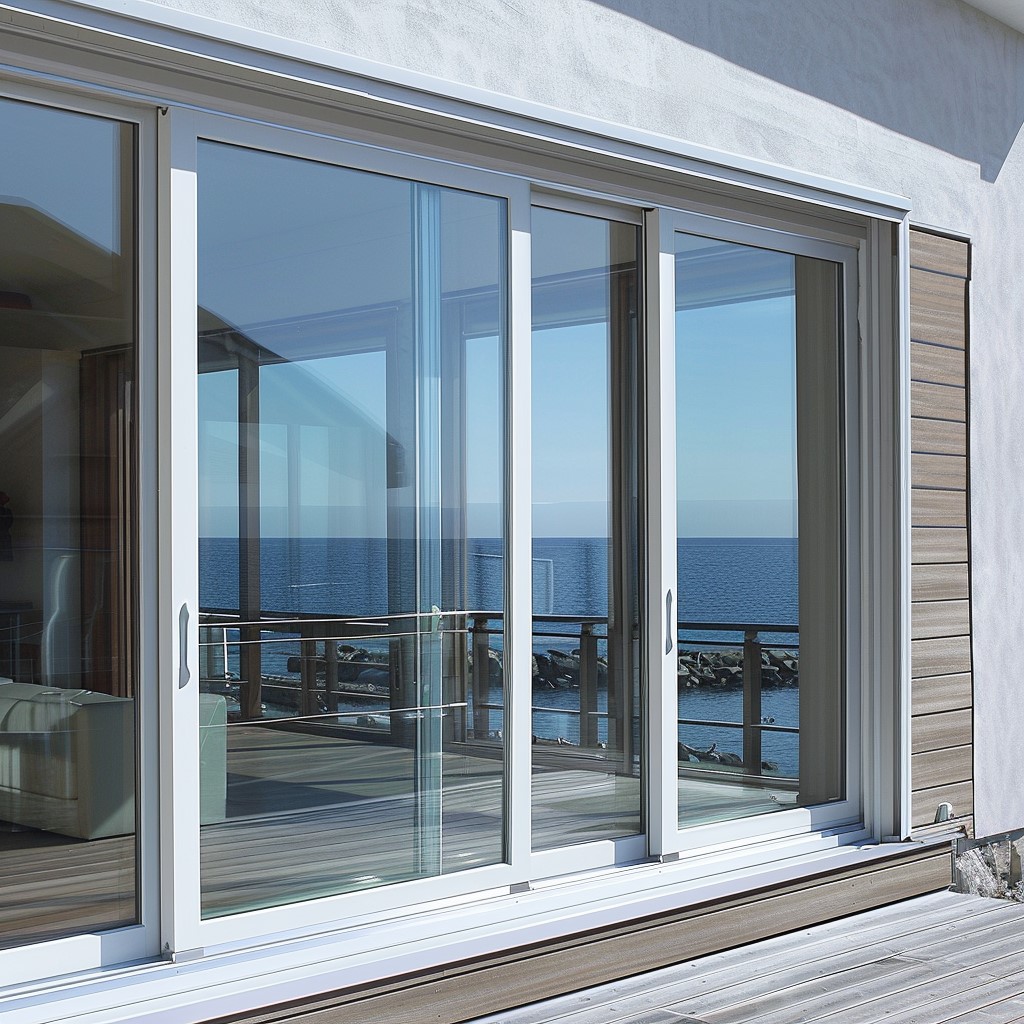
    For those using aluminum frames, the process slightly varies. To replace double pane window glass in an aluminum frame, after removing the old glass, you’ll need to replace the rubber seal. Place the new pane, replace the seal, and tighten any frame screws.
    sliding-window-frame-material-varieties


    DIY Vs PRO: The Benefits of Professional Window Pane Services

    Venturing into DIY home repairs can be exhilarating. After all, who doesn’t love the satisfaction of accomplishing a task with their own two hands? But when it comes to window pane replacements, it might be worth considering if DIY is the right choice or if a professional touch is needed. Let’s dive into this.

    DIY Window Pane Replacement

    Let’s get you started! With some patience, you can save money by replacing panes yourself.

    Tools You’ll Need

    Before beginning with replacing a window pane, make sure you have the right tools:

    A putty knife
    Glazier’s points
    Replacement glass
    Linseed oil putty

    Replacing Double Pane Window Glass

    Double pane window glass replacement might sound daunting, but with care, it’s manageable. Start by removing the damaged pane, clean the frame, insert the new double pane glass, secure it with glazier’s points, and finally, apply putty for sealing.

    However, the Pros of Going PRO include:

    Expertise: Professionals have dealt with countless window panes, making them adept at handling unique challenges.

    Right Tools: They come equipped with the correct tools, ensuring the job is done efficiently.

    Warranty: Many professional services offer warranties on their work, giving you peace of mind.

    Safety: Professionals know how to handle glass safely, minimizing the risk of accidents.

    Time-Saving: A task that might take you an entire weekend could be completed by a professional in a few hours.

    Window panes are essential to your home’s security, insulation, and aesthetics. While DIY is commendable and can be cost-effective, the benefits of hiring a professional are undeniable. They not only ensure the job is done right but also guarantee its longevity. At last consider what you’re gaining and what you might be risking.

    The Final Thought

    In essence, the pane is the soul of a window, offering views, light, and protection. Knowing more about it can not only deepen your appreciation but also help in home maintenance.

    Seeking comprehensive window solutions? MFL Sliding Door is at your service. We specialize in a gamut of window replacement options, executed by skilled professionals. Request a complimentary quote today and discover why countless homeowners rely on us for their home upgrade endeavors.

    Frequently Asked Question

    Why would one choose a double pane over a single pane?

    Double pane windows offer better insulation, noise reduction, and energy efficiency compared to single pane windows.

    How often should window panes be replaced?

    With proper care, a window pane can last many years. However, if you notice drafts, condensation between double panes, or cracks, it might be time for a replacement.

    Can one replace just the pane and not the entire window?

    Absolutely! If the frame is in good condition, only the pane might need replacement.

    Is it expensive to replace double pane window glass?

    Costs can vary based on the window size and glass type. However, DIY replacement can be more cost-effective than professional services.

    How to maintain and clean window panes?

    Regularly clean with a mixture of water and vinegar or a window cleaner. Check for drafts or damage annually.
  • Single Pane vs Double Pane – Which Reigns Supreme?

    Single Pane vs Double Pane – Which Reigns Supreme?

    Hey, mate! Have you ever gazed through a window and wondered what stands between you and the great outdoors? Turns out, it’s not just a piece of glass. It’s time we dive deep into Single Pane vs Double Pane windows. Buckle up; it’s gonna be a fun ride!

    Quick Take off: The Basics of Single Pane vs Double Pane

    Before we get too deep, let’s lay down the foundation, shall we?

    Single Pane Windows:

    • Composition: Just one sheet of glass. Simple.
    • Cost: Lighter on the wallet.
    • Insulation: Not the best mate for cold winters or blazing summers.

    Double Pane Windows:

    • Composition: Two sheets of glass, separated by a gap filled with gas or air.
    • Cost: A tad pricier.
    • Insulation: Your best bud in extreme weather conditions.

    Insulation: A Tale of Two Panes

    Now, let’s talk insulation. The difference in insulation is significant and is a game-changer for you.

    Single Pane vs Double Pane Windows

    With just one sheet of glass, the insulation ain’t top-notch. You might feel chilly drafts in winter and a mini oven effect in summer. They’re like that old mate who tries his best but isn’t always reliable.

    Double Pane champs pack a punch when it comes to insulation. The gap between the two panes, filled with gas or air, acts as a buffer. This keeps your interiors comfy and your energy bills on the friendly side.

    Slidings-handles_doors

    Show Me the Money: Cost Comparison

    Money matters, right? So let’s break it down.

    Single Pane Windows

    • Initial cost: It’s definitely friendlier on the pockets.
    • Long-term: You should hike up your energy bills.

    Double Pane Windows

    • Initial cost: You’ll have to dish out a bit more.
    • Long-term: Saves you cash in the long run with better energy efficiency.

    To Pane or Not To Pane?

    Given all the intel, which side are you on? Single pane might be your guy if you’re pinching pennies and live in a moderate climate. But if you’re all about that snug life and are okay with a higher upfront cost, double-pane windows will be your loyal companions.

    Wrapping Up

    Windows, those silent guardians of our homes, are more than meets the eye. Whether you go for the straightforward simplicity of a single pane or the sturdy reliability of a double pane, know that each has its merits. Choose wisely, pal!

    Remember, windows don’t just frame our world; they protect, insulate, and save our hard-earned cash. Whatever you choose, make it count! Cheers! Click here to discover whether single pane vs double pane windows reign supreme.

  • The Essence of Energy Efficient Windows

    The Essence of Energy Efficient Windows

    The idea that only the thermostat governs a home’s temperature is a misconception. Anyone with a home fitted with subpar windows knows this all too well. To optimize comfort and cost-effectiveness, consider the magic of energy efficient windows. These windows not only help regulate your indoor temperature with minimal thermostat intervention, but they also serve as formidable barriers against external elements.

    Glass Types That Maximize Efficiency

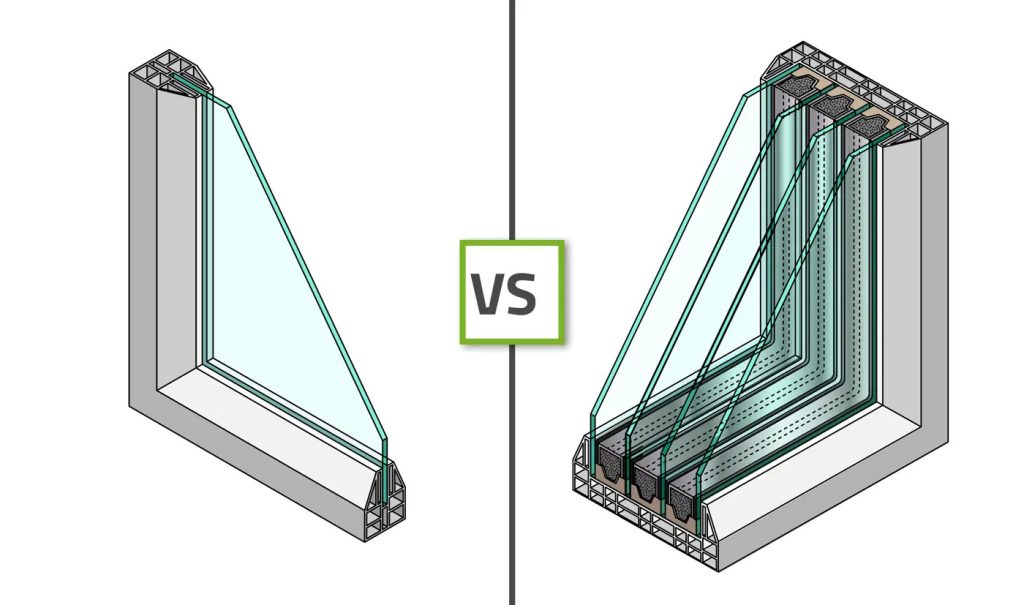
    Double-Pane Windows: The double-pane design consists of two layers of glass with a gap in between, which may be filled with an inert gas. Predominantly found in both homes and commercial properties, their adaptability makes them fit seamlessly into various window designs.

    Triple-Pane Windows: These are the champions for locales that face extreme weather patterns. Three layers of glass offer superior protection against intense cold, heat, or wind. Although slightly weightier, they demand robust frames and robust hardware to support them.

    Window Styles for Peak Efficiency

    Fixed Windows: Unlike conventional windows, fixed windows remain shut. They illuminate rooms with natural light and offer splendid views while keeping unwanted air drafts at bay. If you’re aiming for consistent indoor temperatures with potential savings on your energy expenses, fixed windows, particularly in expansive areas like the living room, are an ideal choice.

    Casement Windows: These windows do open, but their true charm lies in their airtight seal when shut. Thanks to their multi-point locking mechanism, they offer a near-impenetrable barrier to external elements, making them a boon for insulation and energy conservation.

    Frames That Complement Energy Efficient Windows

    Vinyl: Many homeowners are transitioning from traditional wood or aluminum frames to vinyl. This material is budget-friendly and excels in insulating properties.

    Fiberglass: Resilient and versatile, fiberglass frames can emulate the aesthetic of wood. Their inherent strength makes them pricier, yet they are adept at shielding homes from strong winds.

    Wood: While wood frames offer commendable energy efficiency, they do demand regular maintenance, incurring additional costs.

    FAQs on Energy-Efficient Windows
    What windows should I choose for the best energy efficiency?

    Opt for fixed or casement windows combined with vinyl, fiberglass, or wood frames. The perfect blend depends on your aesthetic preference and maintenance enthusiasm.

    Are energy-efficient windows truly a worthy investment?

    Energy efficient windows are a worthwhile investment, yes. They are a smart choice for both businesses and homeowners due to their many advantages. First of all, they aid in lowering energy consumption by offering superior insulation, which results in fewer heating and cooling expenses all year long. This can result in large utility bill savings, which will eventually pay off the initial expenditure.

    Do my current windows efficiently remove external elements like pollen, heat, or cold?

    The efficiency of your current windows in removing external elements like pollen, heat, or cold depends on their type and quality. Energy-efficient windows with proper sealing can effectively block heat and cold, while pollen filtration depends on the window’s design. Consider upgrading to windows with low-E coatings and good insulation for better performance.

    Is my home’s internal temperature always at a comfortable level, regardless of external conditions?

    No, your home’s internal temperature may not always be at a comfortable level regardless of external conditions. Factors like weather, insulation, heating/cooling systems, and thermostat settings can affect indoor comfort. Maintaining comfort may require adjustments based on external conditions.

    Conclusion

    Energy efficient windows are more than just home accessories; they invest in long-term comfort and savings. With the right glass type, style, and frame choice, you can significantly enhance your living experience and save on utility bills. Considering an upgrade? Dive into the world of energy efficient windows today.

  • Cost of Home Window Glass Replacement Service

    Cost of Home Window Glass Replacement Service

    We’ve all been there. One moment, you’re enjoying a peaceful day at home, and the next, there’s a loud crash, and your window shattered. But why do windows break? What’s the deal for Window Glass Replacement service?

    Why windows break

    Windows can break for many reasons – from stormy weather tossing debris to the mischievous neighbourhood kids playing baseball too close. Sometimes, its wear and tear takes its toll. Whatever the reason, a broken window isn’t just an eyesore; it’s a security risk.

    The importance of timely replacement

    Neglecting to replace a broken window can lead to higher energy bills (thanks to all that escaped warm or cool air), water leaks, and potential safety concerns. It’s like leaving the front door wide open!

    Factors Influencing Window Glass Replacement Service Cost

    So, you’re ready to replace that window. But hold on a second, how much will it cost you? Well, several factors come into play.

    Type of glass

    Not all glasses are created equal. From tempered to laminated to low-E coated glass, the options and their prices vary. Remember the diamond-coated windows from that sci-fi movie? Yeah, those would cost a pretty penny!

    Size of the window

    It’s simple maths. More oversized windows = more material = higher costs. A small bathroom window will set you back less than a large bay window.

    Labour costs

    Installing a window isn’t a walk in the park. Labour costs can vary significantly depending on where you live and the job’s complexity.

    Additional services

    Need that fancy UV film? Or some custom etching? Add-ons can quickly ramp up the price.

    Benefits of Investing in Quality Replacement

    Before you start thinking of cutting corners to save a few bucks, let’s chat about why investing in quality pays off.

    Longevity and durability

    Investing in high-quality glass ensures your windows withstand the tests of time and weather. You wouldn’t wear paper shoes in the rain, would you?

    Energy efficiency

    Good quality windows can act as thermal barriers, reducing your energy bills. Imagine them as the cosy blanket for your home!

    DIY vs. Professional Replacement

    To save or not to save, that’s the question. While DIY might seem enticing, weighing the pros and cons is essential.

    The pros and cons

    Doing it yourself can save money upfront, but without the right tools or expertise, it can lead to more costs down the line. Professionals, on the other hand, offer knowledge and guarantees but at a premium. It’s like baking a cake – sure, you could, but isn’t store-bought easier sometimes?

    Tips to Save on Replacement Costs

    Okay, okay, we get it. You want to save some money. Here are a couple of ways you can pinch those pennies.

    Choosing the right vendor

    Comparison shopping isn’t just for shoes! Research and get multiple quotes to ensure you’re getting the best deal.

    Opting for seasonal offers

    Have I ever noticed how everything goes on sale after Christmas? Windows are no different. Look for off-season deals to snag a bargain.

    Conclusion and Next Steps

    Window Glass Replacement service is undoubtedly an investment, but it pays off in comfort, safety, and sometimes even energy savings. Remember to weigh the pros and cons, consider the factors affecting costs, and never compromise on quality. Because what’s more precious than the safety and comfort of your home? So find the best Window Glass Replacement service providers and get the service.

    frequently asked question

    How long does window replacement take?

    Typically, a professional can replace a window in a couple of hours, depending on the window’s size and type.

    Can I replace just the glass and not the entire window frame?

    If the frame is still in good condition, you can replace only the glass.

    Is there any warranty on window glass replacement?

    Most professional services offer a warranty, but the duration and terms vary. Always ask beforehand.

    Are there eco-friendly window glass options?

    Absolutely! Many modern windows come with energy-efficient coatings and are made from sustainable materials

    How often should I replace my windows?

    With proper care, good-quality windows can last 20-25 years. However, it might be time for a replacement if you notice drafts, condensation, or visible damage.

    Read our more blogs

    Single Pane vs Double Pane: Benefits Crown in 2023

    What Is Window Pane? Everything You Need to Know in 2023

    5-Step Local Window Repair Guide

    How to Repair Broken Window Glass | Ultimate 2023 Guide

    Best Residential Window Glass Replacement Guide 2023

  • Residential Window Glass Replacement Near You

    Residential Window Glass Replacement Near You

    Windows are the eyes of a home. They provide us with views, light, and ventilation. Over time, however, they can become damaged or outdated. Whether a minor crack or foggy double glazing, residential window glass replacement ensures you have clear views and a secure home.

    Why Replace Your Window Glass?

    – Aesthetics and Clear Views

    Cracked or stained glass can obstruct views and diminish the overall appearance of your home. Fresh glass enhances the aesthetics and gives you unobstructed views of the outdoors.

    – Energy Efficiency

    Old or damaged windows can be a significant source of heat loss in the winter and heat gain in the summer. Replacing them with energy-efficient glass can save you on energy bills.

    – Safety and Security

    Broken or weak glass is an invitation to potential intruders. Ensure your family’s safety by replacing compromised glass with sturdy, new panes.

    The Process of Window Glass Replacement

    – Evaluation

    Before anything else, a professional will assess your windows’ condition to determine if you need a complete window replacement or just the glass.

    – Selection of Glass Type

    Depending on your needs, you can choose between various types of glass, such as double-glazed, tempered, or laminated. Each offers different benefits concerning energy efficiency, noise reduction, and safety.

    – Installation

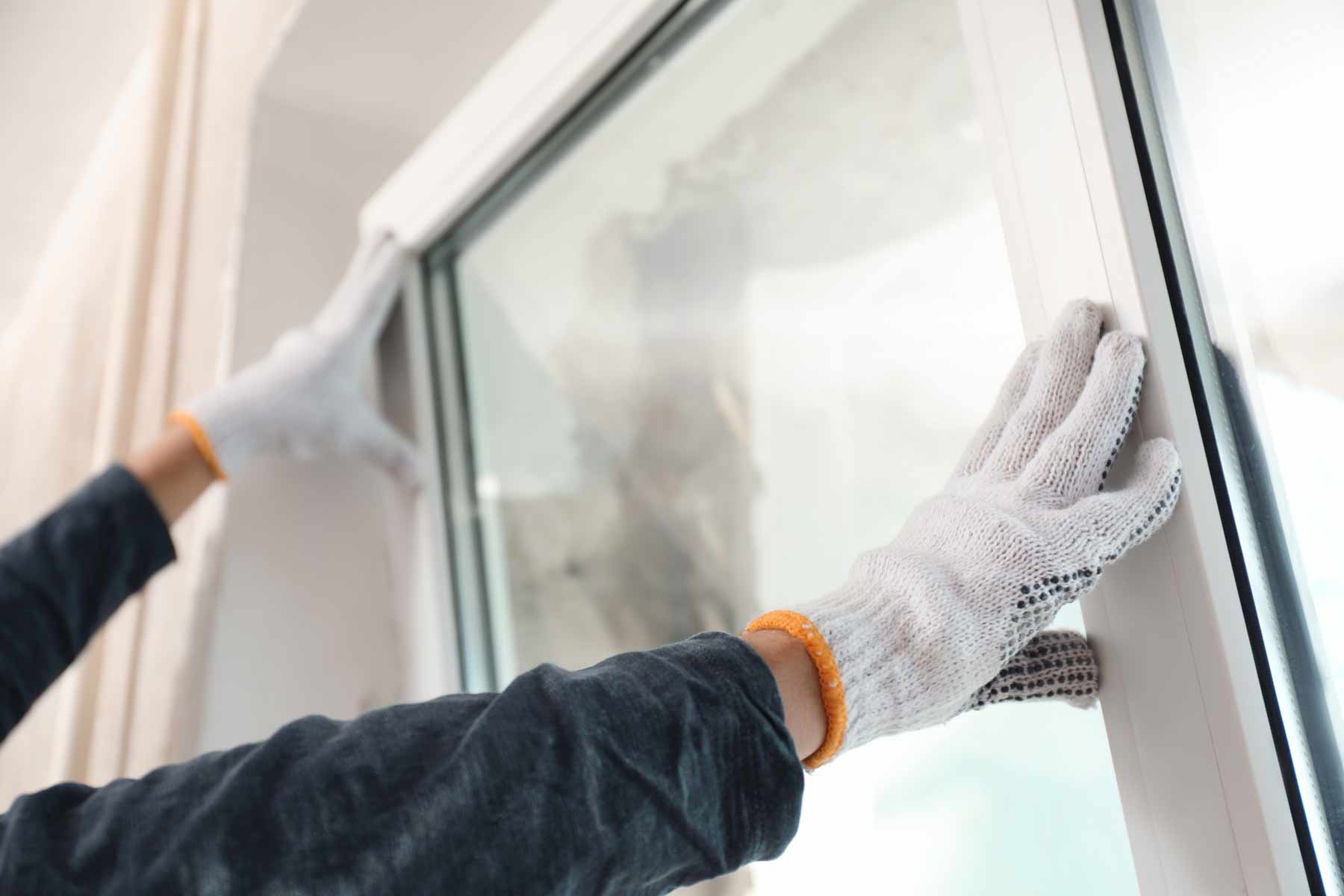
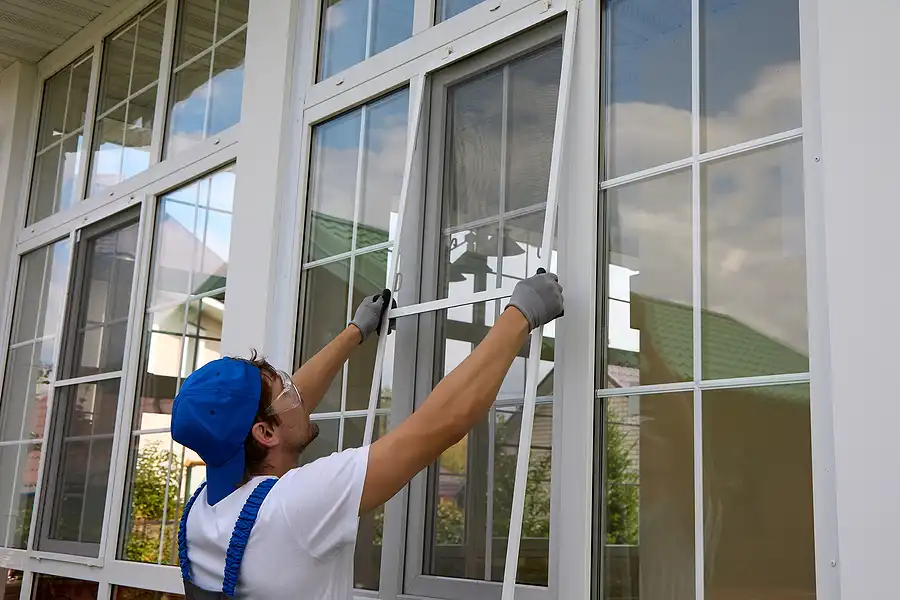
    Professionals will then remove the old glass, prep the area, and install the new pane, ensuring a snug fit and proper sealing.

    Finding the Right Service Near You

    – Research and Reviews

    Search online for “residential window glass replacement near me” to get a list of local providers. Check their reviews and ratings to gauge their reliability.

    – Ask for Recommendations

    Neighbors, friends, or family members who’ve recently had their windows replaced can be excellent sources for recommendations.

    – Verify Credentials

    Ensure that the service provider is licensed, insured, and has a good reputation in the community.

    FAQs on Residential Window Glass Replacement

    Q: How often should I replace my window glass?
    A: Typically, window glass can last for many years. Consider replacement if you notice cracks condensation between double glazing or if they’re no longer energy efficient.
    Q: Can I replace the glass without changing the entire window?
    A: If the window frame is still in good condition, you can replace the glass.
    Q: What’s the difference between double and single glazing?
    A: Double glazing consists of two panes of glass with a space in between, offering better insulation than single-glazed windows.

    Window glass replacement can refresh the look of your home and provide added safety and energy efficiency. Finding a reputable service provider near you ensures that your window replacement is carried out efficiently and effectively.

    Read our more blogs

    The Essence Of Energy Efficient Windows
    Single Pane vs Double Pane: Benefits Crown in 2023
    What Is Window Pane? Everything You Need to Know in 2023
    5-Step Local Window Repair Guide
    How to Repair Broken Window Glass

  • How to Measure for Window Glass Replacement

    How to Measure for Window Glass Replacement

    Replacing window glass is a task that necessitates precision. Accurate measurements ensure that the new glass fits perfectly, preventing any insulation, safety, or aesthetics issues. Below is a detailed guide to assist you in effectively how to measure for window glass replacement.

    Step-by-Step Guide How to Measure for Window Glass Replacement

    1. Gather Necessary Tools

    Before beginning, ensure you have the following tools at hand:

    A metal tape measure provides more accurate measurements than a cloth tape.
    A notepad and pen: For recording measurements.
    Gloves: To handle broken or sharp glass edges safely.

    2. Measure the Width

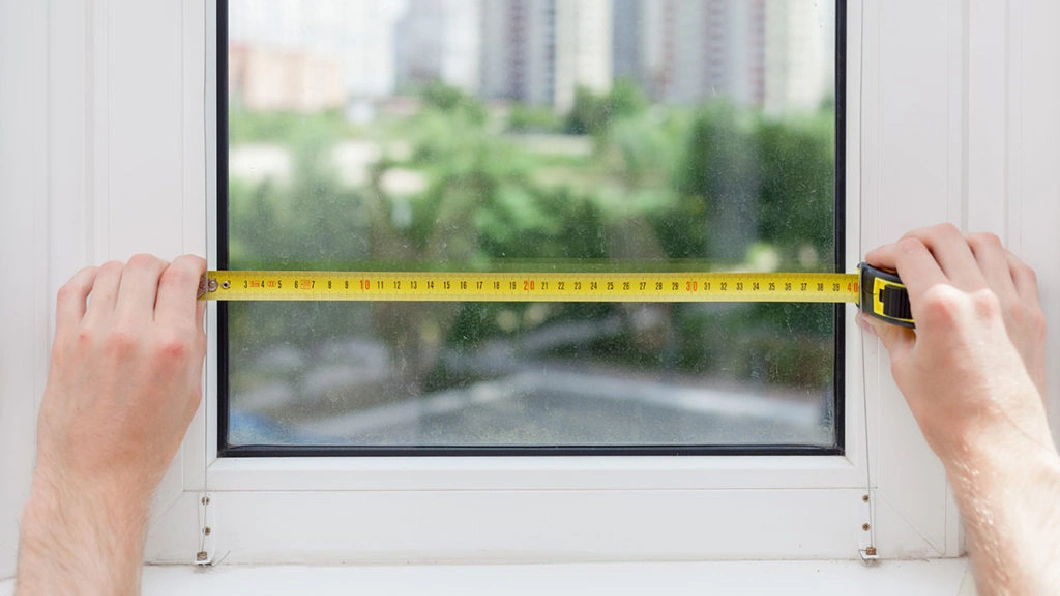
    Step 1: Place the tape measure on the window frame’s left edge and stretch it

    horizontally towards the right extremity.

    Step 2: To ensure precise measurements, ascertain the width at three distinct points: the

    uppermost, central, and lowermost sections of the window.

    Step 3: Record the smallest of the three measurements. This accounts for any irregularities in the frame and ensures the glass will fit properly.

    3. Measure the Height

    Step 1: Position the tape measure at the window frame’s base, then draw it vertically to its summit.

    Step 2: Mirroring the approach adopted for width, measure the height at three     specific points: the left, central, and right facets of the window.

     Step 3: Note down the smallest measurement.

    4. Measure the Thickness

    Window glass can vary in thickness, so getting this measurement right is crucial.

    Step 1: If your window is broken, find a piece of the broken glass to measure. If the window is intact, you can measure the edge of the glass directly in the frame.

    Step 2: Use the tape measure to determine the thickness, ensuring you’re measuring just the glass and not including additional layers or seals.

    5. Consider the Square Footage

    Although not always necessary, you can calculate the total square footage of the glass for pricing or ordering purposes.

    Formula: Width (in feet) x Height (in feet) = Square Footage

    6. Account for Special Features

    If your window has unique features, such as a curve, leaded design, or tinting, note these, as they will influence the type of replacement glass you’ll need.

    7. Double-Check Measurements

    To ensure accuracy, consider measuring everything a second time. Even a minor miscalculation can lead to ordering glass that doesn’t fit.

    8. Record and Store Measurements

    Once you’ve gathered all the measurements, record them. Store them safely, or immediately forward them to the glass supplier or contractor.

    Conclusion

    Measuring for window glass replacement is a meticulous task, but with careful attention to detail and adherence to the steps above, you can achieve accurate results. Always remember: in the realm of glass replacement, precision is paramount.

  • Benefits of Double-Pane Window Glass

    In architectural advancements, introducing double-pane window glass significantly enhances home comfort and energy efficiency. Consisting of two sheets of glass separated by a space filled either with air or inert gas, double-pane windows offer multifaceted advantages over the traditional single-pane variant. The subsequent elucidation highlights the pronounced benefits of incorporating double-pane window glass.

    Superior Energy Efficiency

    Heat Retention and Reflection: The inherent design of double-pane windows allows them to minimize heat transfer effectively. This means homes remain warmer during the winter and cooler during the summer.

    Reduced Energy Expenditure: The enhanced insulation properties translate to decreased dependency on heating and cooling systems, leading to diminished energy bills.

    Effective Noise Mitigation

    The dual layers of glass coupled with the intervening space serve as a buffer, significantly attenuating external noise. This mainly benefits residences in bustling urban settings or proximate to high-noise zones.

    Diminished Condensation

    The dual-glass configuration of double-pane windows ensures a warmer surface, effectively curtailing the propensity for condensation formation. This is pivotal in thwarting potential mold infestation and maintaining clear visibility, especially during colder climes.

    Augmented Property Valuation

    Homes endowed with double-pane windows invariably command a higher market value. The modern aesthetic and tangible energy savings make such properties enticing for discerning buyers.

    Bolstered Security Measures

    Inherently, double-pane windows are sturdier than their single-pane counterparts. This robustness is a deterrent against potential intrusions, affording homeowners an elevated sense of security.

    Protection Against UV Radiation

    Contemporary double-pane windows often incorporate coatings adept at filtering detrimental UV rays. This not only safeguards occupants from potential ultraviolet harm but also extends the longevity of interior furnishings by reducing UV-induced degradation.

    Eco-friendly Proposition

    The energy conservation attribute of double-pane windows aligns with global sustainability efforts. These windows contribute to a reduced carbon footprint by mitigating energy consumption, underscoring their environmental pertinence.

    Enhanced Durability

    The meticulous construction of double-pane windows, accentuated by the sealed interstice filled with air or gas, guarantees an extended operational lifespan. This inherent durability negates frequent replacements, ensuring long-term utility.

    In Conclusion

    Double-pane window glass combines aesthetic appeal, functional utility, and environmental stewardship. While the upfront investment might surpass single-pane windows, the cumulative benefits underscore its efficacy as a judicious architectural choice.

  • Energy-efficient window glass options

    Energy-efficient window glass options

    Ah, windows! Specifically, energy-efficient window glass options, which do more than let you gaze outside. They can be your energy-saving ally or a costly weak spot. Have you ever thought about the different choices out there when it comes to these windows? Let’s jump into it!

    Introduction to Energy-efficient window glass options

    The Need for Efficiency

    In our current times, when conserving energy (and consequently, cash) is crucial, opting for energy-efficient windows makes sense. Picture this: In the cold, would you reach for a light sweater or a cozy, insulated coat? The same concept applies to windows.

    Benefits of Energy-Efficient Windows

    Energy-efficient windows provide a myriad of benefits. They keep the desired temperature inside, reduce energy bills, and even protect your furniture from harmful UV rays. And let’s remember how it’s also a boon for our planet. Sounds like a double win.

    Types of Energy-Efficient Window Glasses
    Low-Emissivity (Low-E) Glass

    Low-E glass has a special coating that reflects thermal radiation, ensuring that your home stays warm in the winter and cool in the summer. Imagine a barrier that bounces back the unwanted temperatures. That’s Low-E for you!

    Insulated Glass Units (IGUs)

    These are double or triple glass panes separated by gas or vacuum, providing superior insulation. It’s like having multiple layers of protection against the elements.

    Tinted Window Glasses

    Tinted windows not only provide privacy but also absorb heat from the sun, making them ideal for sunny climates. Picture wearing sunglasses for your home. Sounds cool.

    Reflective Window Glass

    These glasses reflect rather than absorb the sun’s rays, which helps reduce heat gain. It’s like giving your house a mirror to reflect the sun’s intensity.

    Benefits of Each Type
    Benefits of Low-E Glass

    Reduces energy consumption
    Protects against UV rays
    Long lifespan

    Advantages of IGUs

    Excellent insulation
    Noise reduction
    Minimal condensation

    Positives of Tinted Windows

    Reduced glare
    Enhanced privacy
    Heat absorption

    Why Choose Reflective Glasses?

    Minimize heat gain
    Aesthetically pleasing
    UV protection

    Making the Right Choice
    Factors to Consider

    Your home’s orientation, your local climate, and your budget are essential factors to ponder upon. Every house is unique, just like its owner!

    Cost vs. Value

    While initial costs might seem high, the long-term savings and added property value make energy-efficient windows a wise investment. It’s like paying a bit more for a gadget that’ll save you heaps in the long run!

    Recommendations for Different Climates

    In colder climates, IGUs and Low-E glasses shine, while tinted and reflective glasses are stars in warmer regions.

    Conclusion

    Choosing the right energy-efficient window glass can transform your home into a comfortable, eco-friendly haven. While it might seem like a daunting task, with the proper knowledge, it’s as breezy as a calm wind through an open window. If you’re interested in exploring more about these options, check out MFL Sliding Doors. Which window will you peer through next?

    Frequently Asked Questions

    What is the lifespan of energy-efficient windows?

    Typically, they last 15-20 years, depending on the type and maintenance.

    Can I retrofit my current windows to be energy-efficient?

    Yes, certain upgrades can be made to existing windows to improve their efficiency.

    Do energy-efficient windows also reduce noise?

    Absolutely! Especially the IGUs, which provide excellent noise reduction.

    What kind of savings are we talking about on energy bills?

    You can see a reduction anywhere between 15% to 30% each year, based on the type of window and additional insulation efforts in your home.

    Is there a government rebate for installing energy-efficient windows?

    Many countries offer refunds or tax credits. It’s best to check with local agencies or utility providers.

    Read our more blogs

    The Essence Of Energy Efficient Windows
    Single Pane vs Double Pane: Benefits Crown in 2023
    What Is Window Pane? Everything You Need to Know in 2023
    5-Step Local Window Repair Guide
    How to Repair Broken Window Glass

  • Which Is More Energy-Efficient Single-Hung or Double-Hung windows

    Which Is More Energy-Efficient Single-Hung or Double-Hung windows

    Introduction to Window Efficiency

    When considering Which Is More Energy-Efficient Single-0Hung or Double-Hung windows, homeowners find themselves at a crossroads in the quest for energy conservation. Windows play a pivotal role in a home’s energy dynamics, and the decision between single-hung and double-hung models is not one to be taken lightly. Our comprehensive guide dives into the heart of the energy efficiency debate, meticulously analyzing both window types. By evaluating their benefits and drawbacks, we empower you with the knowledge to choose the window solution that aligns with your home’s energy-saving goals.

    Understanding Single-Hung Windows

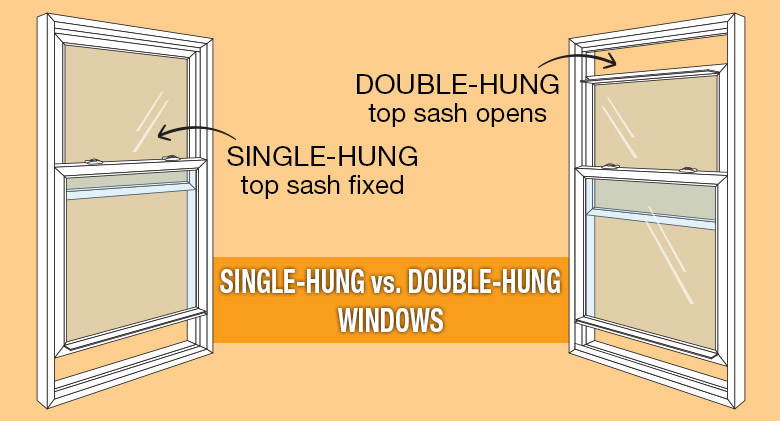
    Single-hung windows feature a stationary top sash and a movable bottom sash. This traditional design has graced homes for centuries, offering simplicity and durability. But how does it stack up in terms of energy efficiency?

    Understanding Double-Hung Windows

    In contrast, double-hung windows allow both the top and bottom sashes to move up and down. This added functionality can lead to better airflow, but does it also mean better energy efficiency? We’ll explore this question in detail.

    Comparing Energy Efficiency

    Energy efficiency isn’t just a matter of one type of window being universally better than the other; it’s a complex issue that depends on several factors. Let’s examine what influences the energy efficiency of these window styles.

    Critical Factors Affecting Window Efficiency
    Material and Build

    The choice of material and the quality of craftsmanship in your window frames are critical to their ability to conserve energy. Opting for vinyl, wood, fiberglass, or aluminum frames can significantly influence their thermal performance and, consequently, your home’s energy efficiency.

    Glass Type

    The type of glass and the presence of double or triple panes also affect energy efficiency. Low-E coatings and gas fills like argon or krypton can transform even the most straightforward window into an energy-saving powerhouse.

    Window Installation and Maintenance

    Proper installation and regular maintenance can prevent energy leaks and ensure your windows perform at their peak efficiency.

    Which Is More Energy-Efficient Single-Hung or Double-Hung windows

    Air Leakage and Insulation
    Single-Hung Windows:

    Single-hung windows may have less air leakage due to fewer moving parts, potentially making them more energy-efficient.

    Double-Hung Windows:

    While double-hung windows offer more versatility, they can be prone to more air leakage over time, which may impact their energy efficiency.

    Ease of Use and Ventilation

    Ventilation can affect your home’s HVAC system’s workload. Double-hung windows may provide better options for airflow, but is it enough to impact your energy bill?

    Cleaning and Maintenance

    The ease of cleaning and maintaining your windows can influence their lifespan and efficiency. Double-hung windows often offer a tilt-in feature, making them easier to clean and maintain, which could help preserve their energy efficiency over time.

    Cost Comparison

    The initial cost and long-term savings are essential to consider. Single-hung windows are typically less expensive upfront, but what about the energy savings over time?

    Aesthetic and Design Choices

    While energy efficiency is critical, so is the design and look of your home. We’ll look at how both window types can match your home’s style while being energy-conscious.

    Resale Value Impact

    Energy-efficient windows can be a significant selling point. Do single or double-hung windows offer a better return on investment? We’ll explore the potential impact on resale value.

    Environmental Impact
    Sustainability Considerations

    Choosing energy-efficient windows is not only about savings but also about reducing your environmental footprint. Which window type is more sustainable in the long run?

    Carbon Footprint Analysis

    We’ll break down how each window type can affect your home’s carbon footprint, an increasingly important consideration for eco-conscious homeowners.

    How to Choose the Right Window
    Assessing Your Needs

    Your specific needs, from climate to home design, can determine which window type is best for you.

    Professional Consultation

    Sometimes, the best course of action is to consult with a professional. We’ll discuss when to seek advice from an expert.

    The Role of Climate

    The climate you live in can heavily influence your decision. In some regions, the benefits of one window type may outweigh the other.

    Conclusion
    Final Thoughts on Energy Efficiency

    In concluding the discourse on the merits of single-hung versus double-hung windows, it’s clear that the decision is not uniformly prescriptive. A thoughtful evaluation of the outlined considerations will guide you toward selecting the window style that promises optimal energy efficiency for your unique living space.

    For further insights into making an informed choice for your home’s windows, you might find the following resource helpful: MFL Sliding Doors. This guide provides a comprehensive look at how different types of windows can affect a home’s energy consumption and offers advice tailored to various climatic and architectural needs.

    Read our more blogs

    The Essence Of Energy Efficient Windows
    Single Pane vs Double Pane: Benefits Crown in 2023
    What Is Window Pane? Everything You Need to Know in 2023
    5-Step Local Window Repair Guide
    How to Repair Broken Window Glass

  • Does Replacing Windows Damage Interior Walls [Secret Revealed]

    Does Replacing Windows Damage Interior Walls [Secret Revealed]

    When it comes to home renovations, replacing old or inefficient windows is often a top priority for homeowners. However, a common concern that arises during this process is the potential risk of damage to interior walls.

    Does replacing windows damage interior walls? is a question that resonates with many, particularly those living in older homes or considering substantial window upgrades.

    This article aims to thoroughly explore this concern, offering insights into the window replacement process, the risks involved, and how to mitigate them effectively.

    Understanding Window Replacement
    What is Window Replacement?

    Window replacement involves removing old window units and installing new ones. This process can vary significantly depending on the type of replacement – full-frame or insert.

    Full-frame replacement includes removing the entire window, including the frame and trim, which is more invasive but offers the opportunity to inspect and repair any hidden structural damage.

    On the other hand, insert replacement involves installing a new window into the existing frame, which is less intrusive and often chosen for its minimal impact on the home’s interior and exterior.

    Why Replace Windows?

    The reasons for replacing windows are manifold. Energy efficiency is a primary driver; new windows can significantly reduce heat loss in winter and heat gain in summer, leading to lower energy bills and improved home comfort.

    Additionally, new windows can enhance the overall look of your home, increase its value, increase natural light, and even improve sound insulation.

    Potential Risks to Interior Walls During Window Replacement

    Assessing the Risk

    The risk of damaging interior walls during window replacement varies based on several factors. The age of the building is a crucial consideration; older homes might have weaker or more fragile wall structures that are more susceptible to damage.

    The type of walls also plays a significant role – plaster walls, for example, are more prone to cracking compared to modern drywall. Additionally, the method of window replacement (full-frame vs. insert) can influence the risk level.

    Full-frame replacements are more intrusive and, therefore, carry a higher risk of causing wall damage.

    Common Types of Damage

    Several types of damage can occur to interior walls during window replacement. The most common issues include:

    Cracks in Plaster or Drywall: These can appear around the window frame, especially if the installation process puts stress on the wall.

    Peeling Paint or Wallpaper: The physical pressure from removing old frames and installing new ones can cause paint or wallpaper to peel.

    Structural Damage: In rare cases, especially in older homes, the process can lead to more significant structural damage if not handled carefully.

    Preventing Damage to Interior Walls
    Best Practices in Window Replacement

    Professional window installers follow a set of best practices to minimize the risk of damaging interior walls. These include:

    Careful Removal of Old Windows

    Using the right tools and techniques to gently remove old windows without exerting excessive force on the walls.

    Proper Measurement and Fitting

    Ensuring the new windows are the correct size to fit into the existing or newly made openings without forcing them into place.

    Protective Measures

    Using coverings and protective materials to shield the walls and minimize the impact of the installation process.

    Preventative Measures

    Homeowners can also play a role in protecting their interior walls during window replacement:

    Clearing the Area

    Removing furniture, decorations, and other items near the windows gives installers clear access and reduces the risk of accidental impacts.

    Wall Protection

    Applying temporary protective materials on the walls around the windows can provide an additional layer of defense.

    Communication with Installers

    Discussing any concerns about wall damage with the installation team beforehand can ensure they take extra precautions.

    After the Replacement: Checking and Repairing Walls

    Inspection Tips

    After the window replacement is complete, it’s important to inspect the surrounding walls for any potential damage. Look closely around the newly installed windows for signs of cracks, peeling paint, or any other irregularities.

    It’s easier to address these issues immediately rather than wait, as they can worsen over time.

    Repairing Minor Damages

    If you do find minor damage, such as small cracks or peeling paint, these can often be fixed with some DIY solutions:

    Filling Cracks:

    Small cracks in the wall can usually be filled in with spackling paste or wall filler. Once it dries, sand it down to a smooth finish and repaint the area if necessary.

    Touching Up Paint:

    If the paint has peeled off, scrape off any loose paint, sand the surface lightly, and apply a fresh coat of matching paint.

    For more significant damage, it might be necessary to consult a professional for repairs, especially if there are structural concerns.

    Choosing the Right Professionals

    Importance of Experienced Contractors

    Selecting professional experts for window replacement can greatly reduce the risk of damage to your interior walls. Experienced contractors will have the skills and knowledge to handle the replacement process carefully and efficiently.

    What to Look for in a Contractor

    When choosing a contractor for window replacement, consider the following:

    Licenses and Certifications

    Ensure the contractor is licensed and certified to perform window installations.

    Experience and Reputation

    Look for contractors with a good track record and positive customer reviews.

    Insurance

    Make sure the contractor has liability insurance to cover any potential damages during the installation process.

    Does Replacing Windows Damage Interior Walls – Final Thought

    Replacing windows in your home shouldn’t be a cause for concern regarding the damage to interior walls.

    While there are potential risks, these are generally minimal, especially when you employ experienced professionals and take preventive measures.

    The benefits of new windows – improved energy efficiency, aesthetics, and comfort – far outweigh the minimal risks involved. Remember, Does replacing windows damage interior walls? In most cases, with the right approach, the answer is no.

    Read our more blogs

    The Essence Of Energy Efficient Windows
    Single Pane vs Double Pane: Benefits Crown in 2023
    What Is Window Pane? Everything You Need to Know in 2023
    5-Step Local Window Repair Guide
    How to Repair Broken Window Glass